Witnesses of an Ancient Ocean in the Non Nuoc Cao Bang UNESCO Global Geopark
Amid the majestic limestone mountains of Cao Bang today, few visitors realize that this landscape was once part of a vast ancient sea hundreds of millions of years ago. Fossils of corals, brachiopods, ammonoids, crinoids, and fusulinids preserved within the rock layers are not only remnants of prehistoric life but also remarkable witnesses to the extraordinary transformation of an ancient ocean into towering mountains. These fossils preserve an invaluable record of Earth's geological history and evolution through deep time.
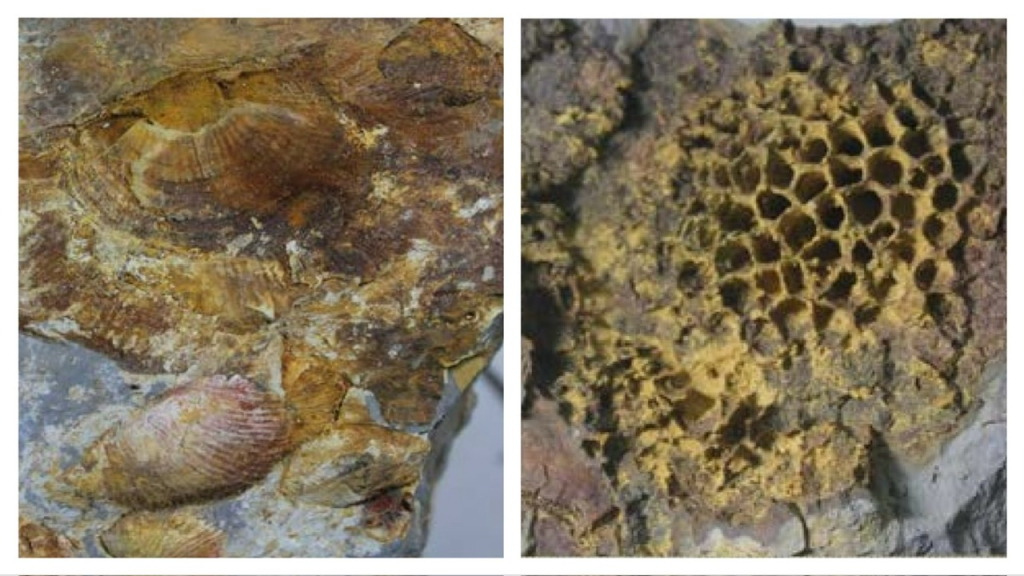
Throughout the Non Nuoc Cao Bang UNESCO Global Geopark, scientists have identified dozens of fossil sites distributed across localities including Ha Quang, Quang Uyen, Trung Khanh, Minh Tam, and Hoa An. Among them, the Mia Le, Na Quan, Bac Son, Dong Dang, and Song Hien formations are regarded as living archives of the region's geological history.
In Hanh Phuc Commune, fossils of brachiopods, corals, and foraminifera occur abundantly within rock layers dating back to the Devonian Period, approximately 400 million years ago. Similarly, at Lang Mon in Minh Tam Commune, densely packed brachiopod and coral fossils embedded in ancient shale provide compelling evidence of a long-lasting marine environment that once covered the area.
Particularly significant are the fusulinid fossils discovered in the limestone of the Na Quan Formation in Quang Uyen Commune. These extinct marine microorganisms lived in relatively stable shallow- to moderately deep-marine environments. Their presence provides geologists with important evidence for determining both the age of the rocks and the environmental conditions under which they were formed.
Likewise, fossil corals, crinoids, and foraminifera can be found in almost every limestone exposure of the Bac Son Formation. Once thriving in warm tropical seas, these marine organisms have since become fossilized, leaving enduring traces within the limestone landscapes of northeastern Viet Nam.
From Ancient Seafloor to Mountain Peaks
The exceptional value of Cao Bang's fossils lies not only in their abundance and excellent preservation but also in the remarkable geological story they reveal.
Hundreds of millions of years ago, much of present-day Cao Bang lay beneath the sea. In these shallow marine environments, corals, brachiopods, bivalves, ammonoids, and fusulinids flourished before eventually dying and settling onto the seabed. Over millions of years, their remains accumulated with marine sediments, which gradually compacted and lithified into sedimentary rocks.
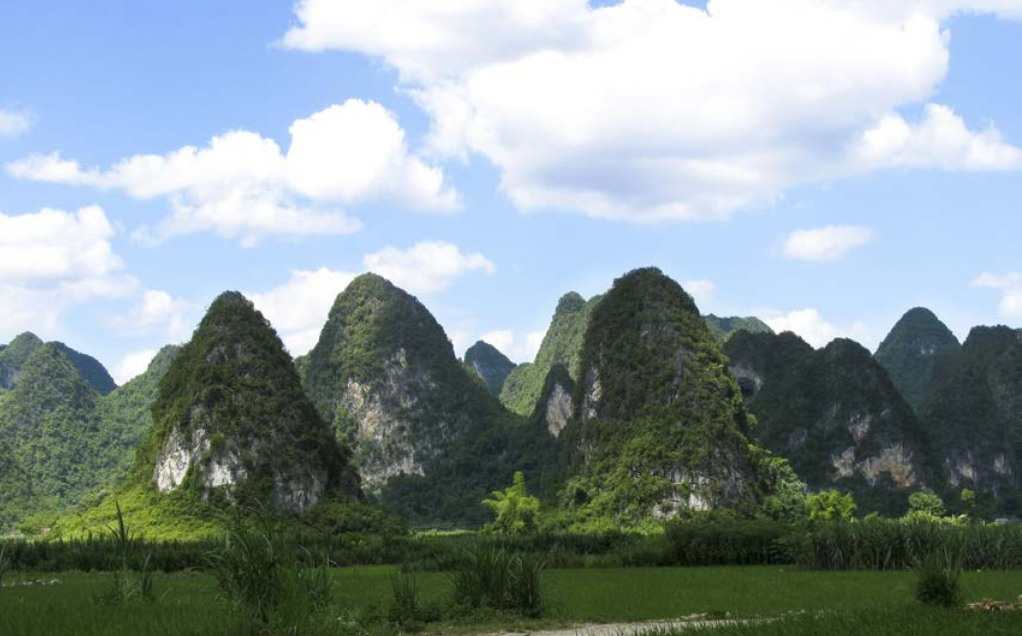
Subsequent tectonic movements uplifted these ancient marine deposits, forming the extensive limestone mountain ranges that characterize Cao Bang today. Over time, weathering and the action of rainwater sculpted the spectacular karst landscape, creating the limestone peaks, valleys, caves, and karst fields that define the Non Nuoc Cao Bang UNESCO Global Geopark.
Each fossil therefore represents far more than a preserved organism. It provides tangible evidence of one of nature's most remarkable transformations—from an ancient ocean floor to towering limestone mountains rising hundreds, and in some places more than a thousand, metres above present-day sea level.
Pages from Earth's Geological History
Among the geopark's fossil localities, the Dong Dang Formation is of particular scientific significance. It preserves evidence of the Permian–Triassic boundary, associated with the largest mass extinction event in Earth's history, approximately 252 million years ago, when the vast majority of life on the planet disappeared. Fossils of ammonoids, brachiopods, corals, bivalves, and numerous other marine organisms preserved within these rocks provide scientists with valuable information for reconstructing the geological and biological events surrounding this global catastrophe.
In Tong Cot Commune, ammonoid fossils occur together with ancient bauxite deposits. Similar ammonoid fossils have also been discovered in younger sedimentary rocks of the Song Hien Formation in Hoa An. Together, these fossil assemblages document the long-term evolution of marine environments in Cao Bang through successive geological periods.
Because of their outstanding scientific value, these fossil sites serve as important resources for research in geology, palaeontology, palaeoenvironmental reconstruction, and Earth's evolutionary history. They also represent exceptional educational and geotourism assets, enabling visitors to gain a deeper understanding of the region's ancient past spanning hundreds of millions of years.
Observing the delicate impressions of fossil corals on limestone surfaces, the spiral forms of ammonoids, or the remarkably preserved shells of brachiopods embedded within the mountains, visitors can begin to imagine the vast ancient ocean that once existed here. These fossils are like pages of a stone book that nature has patiently preserved over immense spans of geological time.
Within the spectacular landscapes of the Non Nuoc Cao Bang UNESCO Global Geopark, these silent witnesses of an ancient ocean continue to tell the story of the region's origins. Their message extends beyond geological history, reminding us of our shared responsibility to protect and conserve the invaluable natural heritage entrusted to present and future generations.