Preserving Ethnic Cultural Identity in the Non Nuoc Cao Bang UNESCO Global Geopark
Alongside the conservation of geological heritage, preserving and promoting the cultural values of ethnic communities has always been identified as one of the key priorities in the journey of building and developing Non Nuoc Cao Bang UNESCO Global Geopark. This is also the foundation for sustainable tourism development, connecting culture with community livelihoods and regional identity.
In the first six months of the year, the Department of Culture, Sports and Tourism advised the Provincial People's Committee to direct relevant departments, agencies, and localities to implement a wide range of key programs and projects aimed at preserving ethnic cultural identity within the Geopark area. These include the project "Preserving and Promoting the Values of Folk Songs, Folk Dances, and Folk Music of Ethnic Minority Groups in Association with Tourism Development" and the project "Preserving and Promoting Traditional Costumes of Vietnamese Ethnic Minority Groups in the Current Period" in Cao Bang Province in 2026. In addition, cultural events, festivals, exchanges, and sports and tourism activities among ethnic minority communities have been regularly organized, contributing to enriching the spiritual life of local residents.
Building on these efforts, many traditional cultural values of ethnic groups such as the Tay, Nung, Dao, and Hmong communities in the Geopark area continue to be preserved and promoted in contemporary life. Folk songs, folk dances, traditional music, handicrafts, ethnic costumes, and community rituals remain vibrant parts of daily life, serving as a connection between the past and the present.
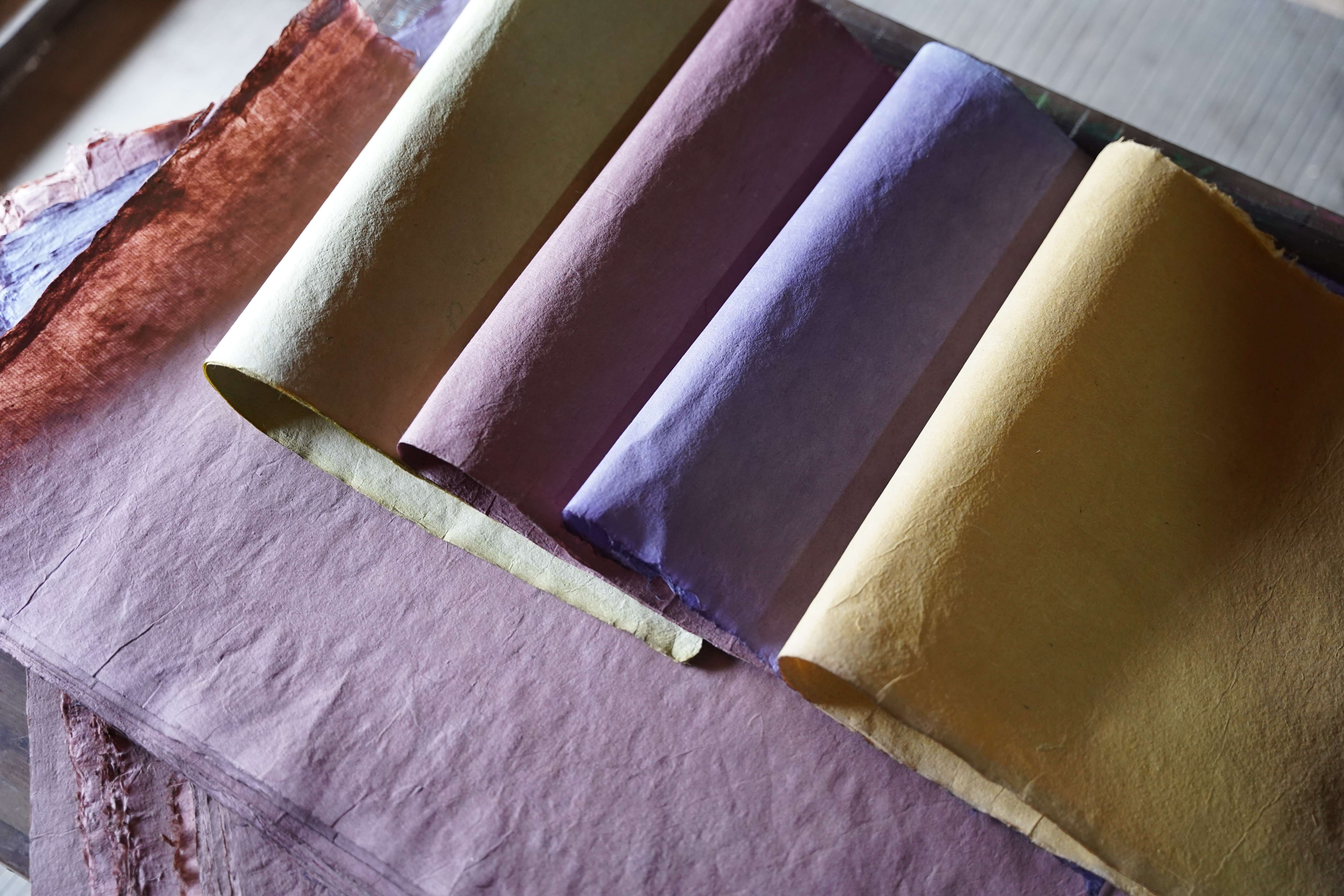
With support from relevant authorities and professional agencies, many traditional crafts such as brocade weaving, traditional paper making, incense production, and agricultural tool forging have been restored, improved, and incorporated into tourism experiences for visitors. These handicraft products are not only displayed and introduced to tourists but are also gradually improved in quality and design, increasing their economic value and market potential.
Beyond preservation, cultural activities have been effectively integrated with experiential tourism development, heritage education, and the creation of distinctive tourism products. This cultural space is clearly reflected in traditional craft villages and community-based tourism destinations such as Dia Tren Traditional Paper-Making Village, Phja Thap Incense Village (Quang Uyen Commune), Khuoi Ky Stone Village (Dam Thuy Commune), and Hoai Khao Community-Based Tourism Village (Thanh Cong Commune).
At these destinations, local residents not only preserve their customs, traditions, and handicrafts but also develop community-based tourism services. Traditional stilt houses, family meals, folk performances, ethnic costumes, and community rituals are introduced in an authentic and natural way, providing visitors with genuine experiences of local cultural life.

At the same time, communication and promotion activities highlighting the traditional cultural values of ethnic communities have continued regularly through digital platforms. These efforts are also effectively integrated into training programs, cultural exchanges, experience-sharing activities, and participation in domestic and provincial fairs and exhibitions. Through these initiatives, the image of the Geopark associated with the cultural identities of ethnic communities has reached a wider audience of domestic and international visitors.
It can be seen that the preservation and promotion of ethnic cultural identity in Non Nuoc Cao Bang UNESCO Global Geopark are being implemented in a sustainable manner, ensuring a harmonious balance between conservation and development. When culture truly becomes part of daily life, livelihoods, and tourism activities, heritage values are not only preserved but also enriched through generations, contributing to the unique identity of Non Nuoc Cao Bang UNESCO Global Geopark.